Cool Summer hair colors work best when they look quietly cool rather than deliberately dramatic. The useful question is not whether a shade is blonde or brunette, but whether its undertone, depth, and contrast leave the face looking rested. A color that is only slightly too golden can make blue-gray eyes seem less clear and turn a naturally muted complexion ruddy.
Start with the visual logic of a Cool Summer palette
Cool Summer sits in the cool and softened part of seasonal color analysis. Hair usually has an ash, taupe, or neutral-cool cast rather than obvious gold. The overall effect is gentle: skin, eyes, brows, and hair tend to blend at a medium level of contrast. That is why a very dark black-brown or a bright butter blonde can look separate from the person wearing it, even when the color itself is attractive.
In a salon mirror, look at the color next to the skin around the jaw and temples, not only against a black cape. A suitable cool summer hair color makes shadows under the eyes look quieter and lets the natural pink, beige, or olive-cool notes in skin stay even. If the result pulls orange near the hairline or makes lipstick suddenly need to be stronger, the formula may have more warmth or intensity than the palette can comfortably carry.
Choose blonde that stays soft instead of yellow
The most reliable blondes are ash beige, pearl beige, mushroom blonde, smoky wheat, and a subdued icy blonde with a little natural depth left at the root. These names vary between colorists, so describe the result as cool, beige, and muted rather than asking for a single label. Pure gray can look flat, while pale yellow can overpower Cool Summer features; the pleasant middle ground has a veil of beige or taupe over the lightness.
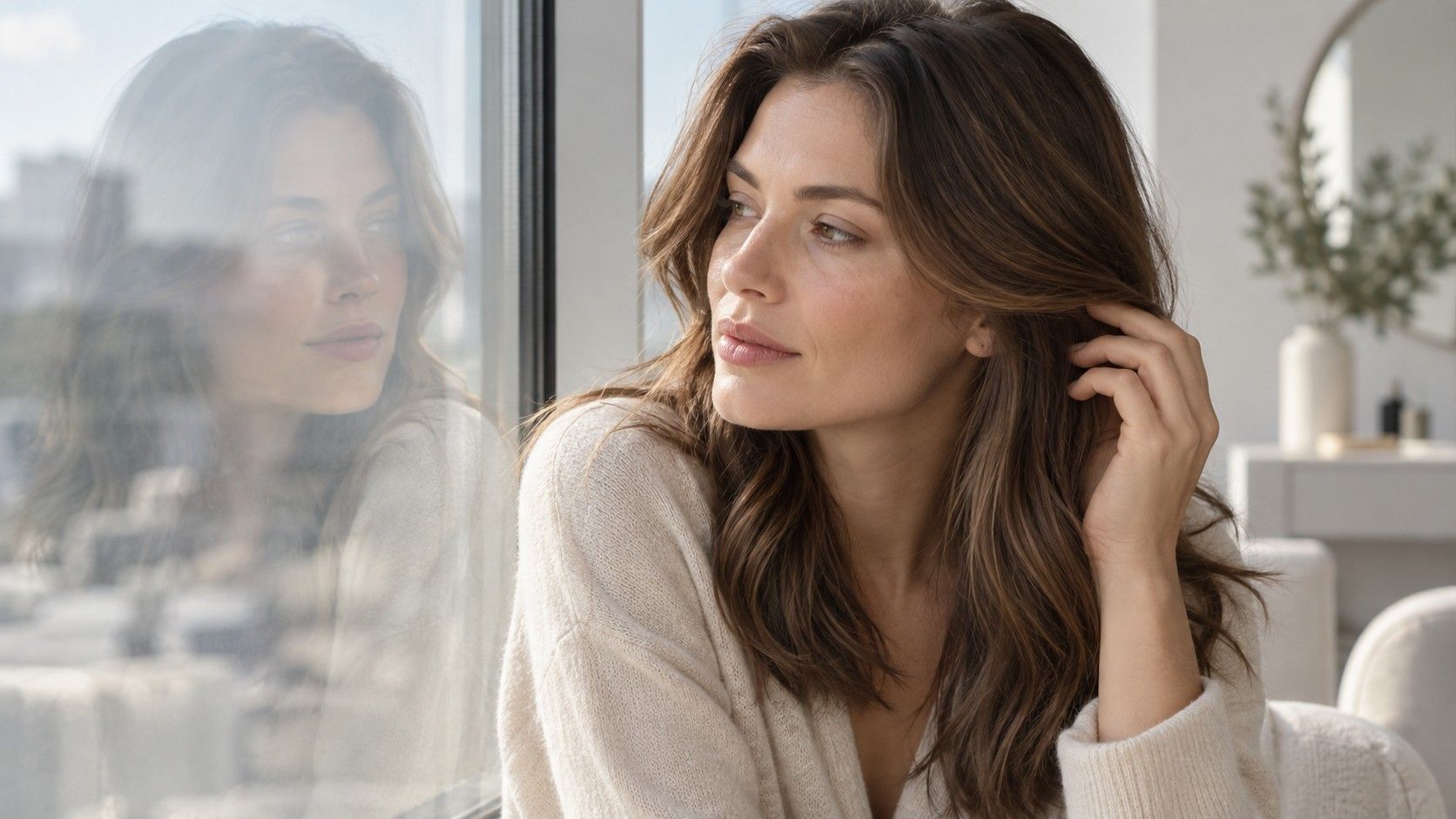
For naturally medium hair, a lived-in highlight pattern is often easier to wear than an all-over lift. Fine cool ribbons around the face can brighten blue-gray or soft hazel eyes without creating a hard stripe. Ask to see the hair in daylight before the toner is finalized. Salon lighting can make yellow disappear for an hour, but a warm cast is usually more visible by a window or in the car the next morning.
Use brunette shades with an ash or mushroom base
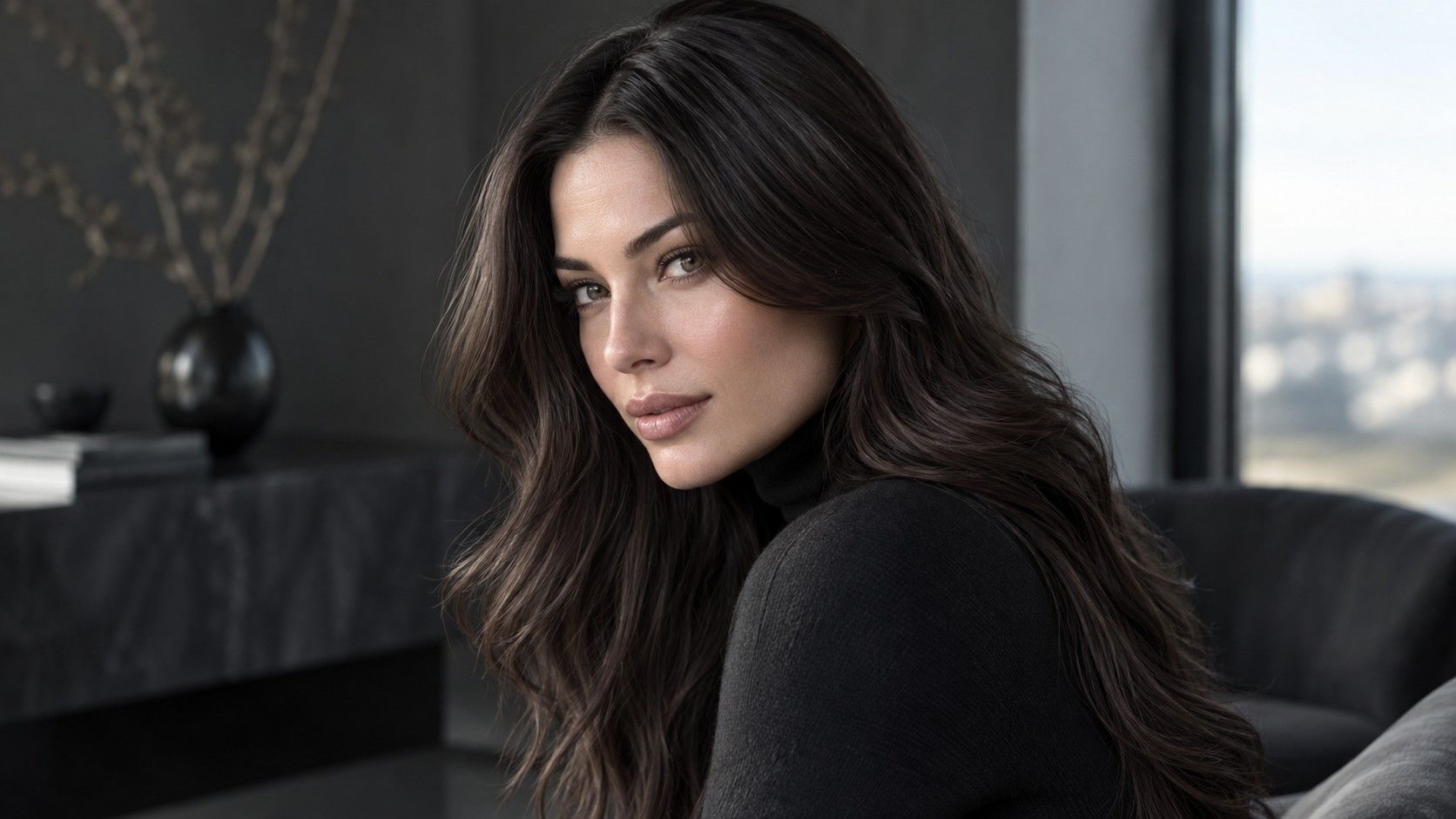
Cool Summer does not need to become blonde. Mushroom brown, cool cocoa, ash brown, soft espresso, and muted dark blonde are strong choices when they retain a blurred quality. A medium brunette can give the face definition, especially when brows are naturally deeper, but the root depth should still relate to the skin. Very inky color often adds contrast faster than expected and can make a delicate eye color recede.
When the natural base is warm, the goal is usually control rather than erasure. A colorist can place cool dimension through the mid-lengths and glaze the ends so the whole head does not turn khaki or gray. Hair with old highlights may take toner unevenly; porosity at the ends can grab ash and look darker than the root. A strand test and a slightly lighter gloss on the porous area are more useful than repeatedly adding more violet or blue pigment.
| Starting depth | Cool Summer direction | Watch for |
|---|---|---|
| Dark blonde | Smoky beige or ash highlights | Yellow face-framing pieces |
| Medium brown | Mushroom brown or cool cocoa | Red-brown shine in sunlight |
| Dark brown | Soft espresso with cool dimension | Black-looking roots and harsh contrast |
Keep the contrast at a believable level
Soft contrast is one of the easiest parts of Cool Summer to overlook. A high-contrast balayage with pale ends and a deep root may be fashionable, yet it can divide the face into separate blocks. A better approach is to keep the gap between base and highlights modest: two or three levels can look luminous when the tone is right. The eye reads movement and shine without being pulled first to the hair.
This matters around the front pieces. A face frame that is much lighter than the brows can look striped, while a few blended cool-beige strands soften the transition. If the haircut has layers, ask for dimension placed where the layers move instead of a uniform set of highlights. It avoids the rigid band that appears after several months of regrowth and makes maintenance less urgent.
Prevent brass without over-toning the hair
Brass control is partly a formula issue and partly a maintenance issue. Cool-toned blondes and browns can expose yellow, orange, or red warmth as toner fades, especially after heat styling, hard water, or a holiday in strong sun. A purple or blue-toned shampoo can help occasionally, but using it every wash may leave pale ends dull or lavender-gray. It is better treated as a short correction than a daily conditioner.
Notice where the warmth returns. Yellow in blonde sections, orange in darker brown sections, and red shine through porous ends need different adjustments. Bring a few daylight photos to the appointment and mention whether the warmth showed up after two washes or six weeks. That detail helps a colorist decide between a stronger initial toner, a more neutral formula, or a simple gloss schedule rather than guessing from the color on appointment day.
What to ask for before the appointment
Bring reference photos that show the hair in ordinary light, including at least one image with a similar natural depth. Say that you want a cool, muted result with no visible gold or copper, but do not ask for an aggressively gray finish unless that is genuinely the effect you enjoy. Cool Summer hair colours usually look most convincing when they still have softness and a little reflected light.
Ask how the root will grow out, whether the old color needs removal first, and when a gloss is likely to be needed. If you are choosing between two shades, test the deeper one in a semi-permanent glaze or place it as lowlights first. That gives you a practical view of the best hair color for Cool Summer on your own skin before committing to a larger shift in depth.
It also helps to agree on a stopping point before lifting begins. If the hair reaches a soft beige level but starts to feel dry, a cooler gloss can finish the look without chasing a paler blonde. Healthy texture reflects light better than another half-level of lift, and that reflection is often what makes an ash balance look fresh rather than severe.