Blue eyes and fair skin do not automatically point to one blonde formula. The strongest choices usually come from reading the whole face: the depth of the natural brows, the amount of pink or gold in the skin, and whether the eyes are clear ice blue, grey-blue, or a darker navy. Hair color can make blue eyes look sharper, but it can also pull attention away from them if the contrast becomes too hard.
Use contrast instead of eye color alone
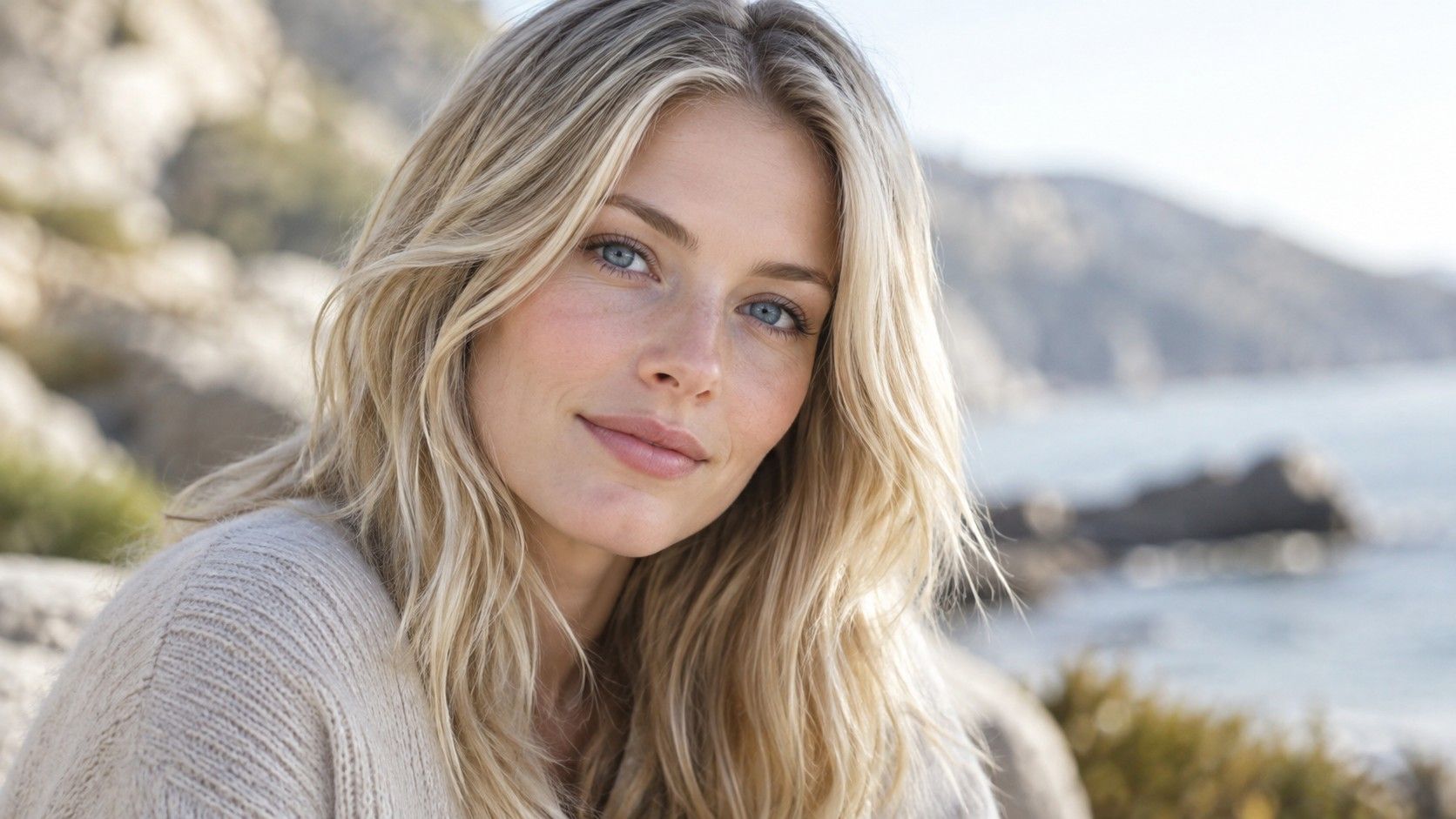
Blue eyes are striking partly because they are clear, but hair does not need to compete with that clarity. Someone with pale brows, soft skin, and light lashes often looks balanced in a low-contrast blonde family. Someone with the same eye color but darker brows and more defined features may need a deeper root, a beige brunette, or stronger dimension to avoid looking faded. The iris is only one small area of the face; the frame around it matters more.
Start with a photo of yourself in diffuse daylight, with hair pulled away from the face. Notice the difference between the skin and the brows. If brows remain visible from arm's length, there is usually room for a medium or darker hair direction. If everything is naturally soft, a dramatic dark dye job may look more theatrical than expected. There is no requirement to preserve natural blonde, but an intentional contrast needs enough support from brows, makeup habits, and personal style.
Blonde is a family, not one color
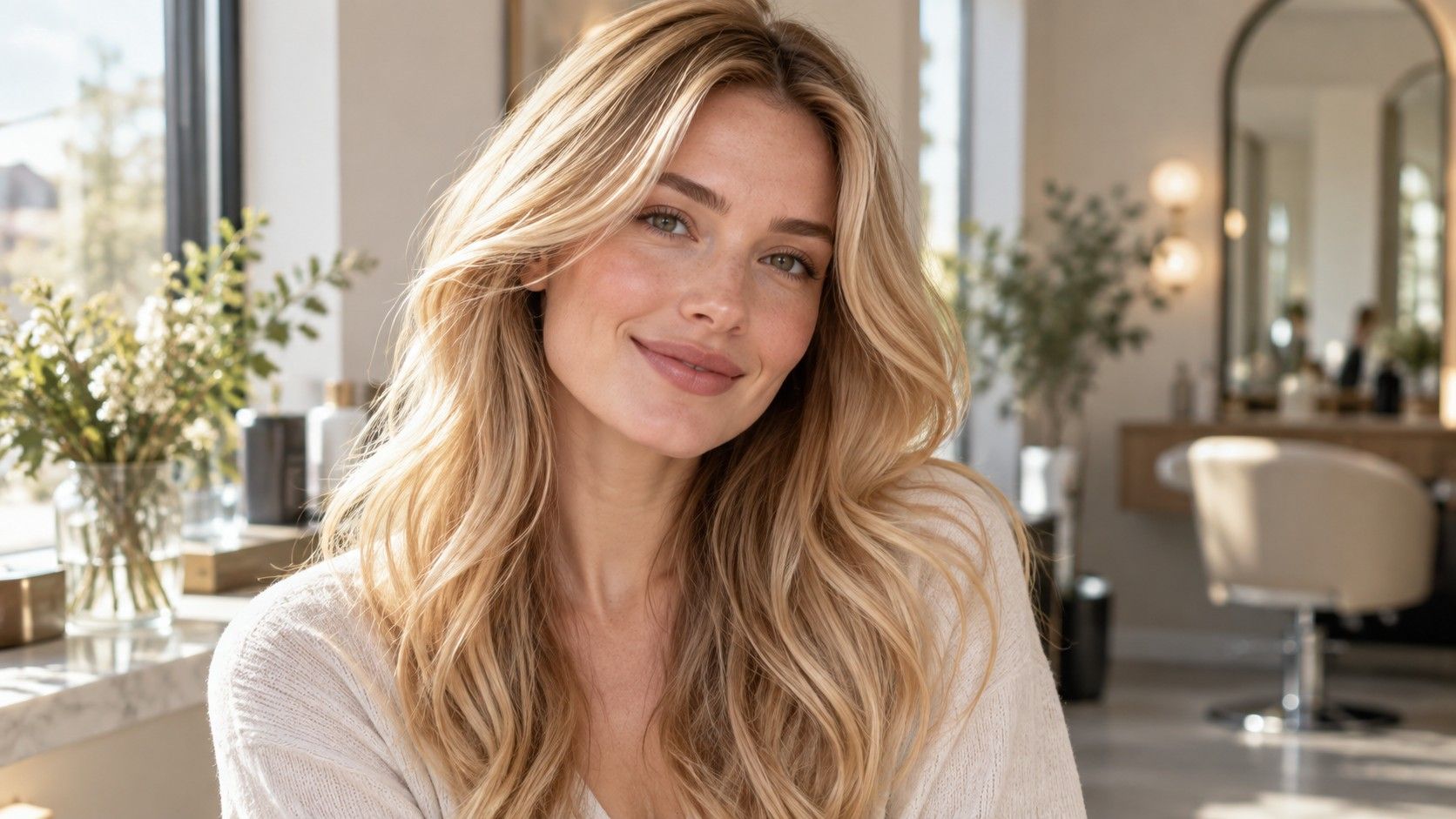
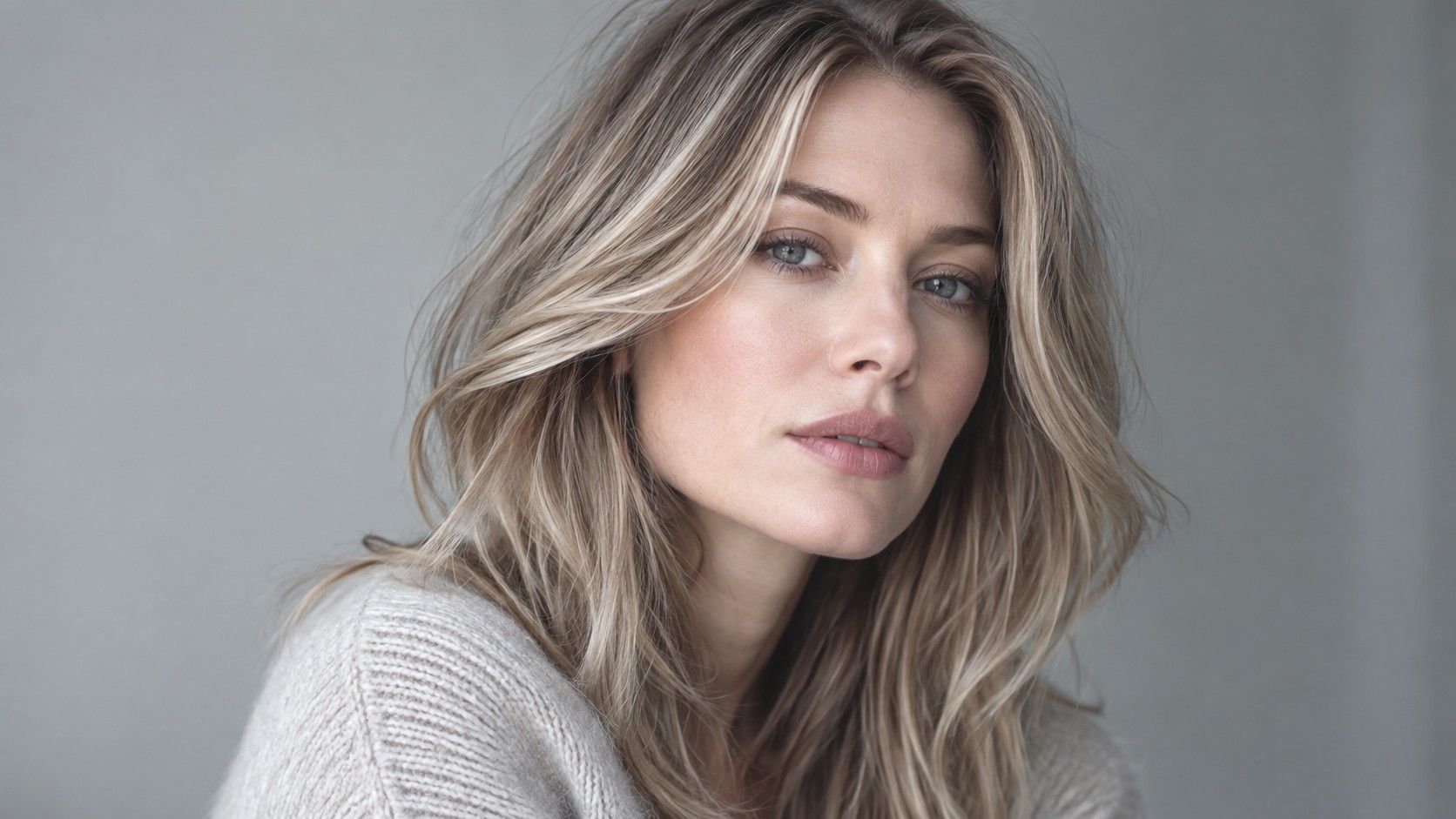
Beige blonde is often a flexible choice for fair skin because it sits between cool ash and obvious gold. It can make blue eyes look clear without giving the skin a blue cast. Ash blonde works well when the complexion is cool or rosy, but very silver tones can make under-eye shadows more obvious. Honey and golden blonde can flatter warmer fair skin, provided the yellow is soft and the root remains believable.
Strawberry blonde belongs in the conversation too. It is not merely a redhead option; a muted blend of gold, beige, and peach can add life to fair skin that looks drained by grey blonde. The result is most natural when it follows some existing warmth in the brows, freckles, or natural root. If the face is strongly cool and high contrast, however, a clearer beige or cool blonde may look easier than a pronounced copper tint.
| Hair direction | Effect near blue eyes | Useful when |
|---|---|---|
| Beige blonde | Clear and balanced | You want softness without looking grey |
| Ash blonde | Cool, crisp contrast | Skin is rosy or neutral-cool |
| Strawberry blonde | Warmer, brighter frame | There is natural gold or peach in the face |
| Soft brunette | Eyes can look more vivid | Brows and roots already have depth |
When a warmer direction makes sense
A warmer shade can be useful when fair skin looks pale beside platinum or grey ash. The goal is not to turn every blonde into yellow gold. A beige-gold gloss, fine honey pieces, or a strawberry-beige tone can create warmth without changing the entire identity of the hair. In daylight, the skin should look more even and the eyes should still be visible before the hair color announces itself.
Warmth is also easier to wear when it appears through dimension. A neutral root with a few golden lengths reads softer than a uniform warm blonde, particularly if natural hair is darker than the desired result. This approach reduces the sharp line of regrowth and makes it easier to adjust at the next appointment. If a warmer trial feels wrong, it is much simpler to cool a gloss than to reverse a large jump in lightness.
Can darker hair look natural with blue eyes?
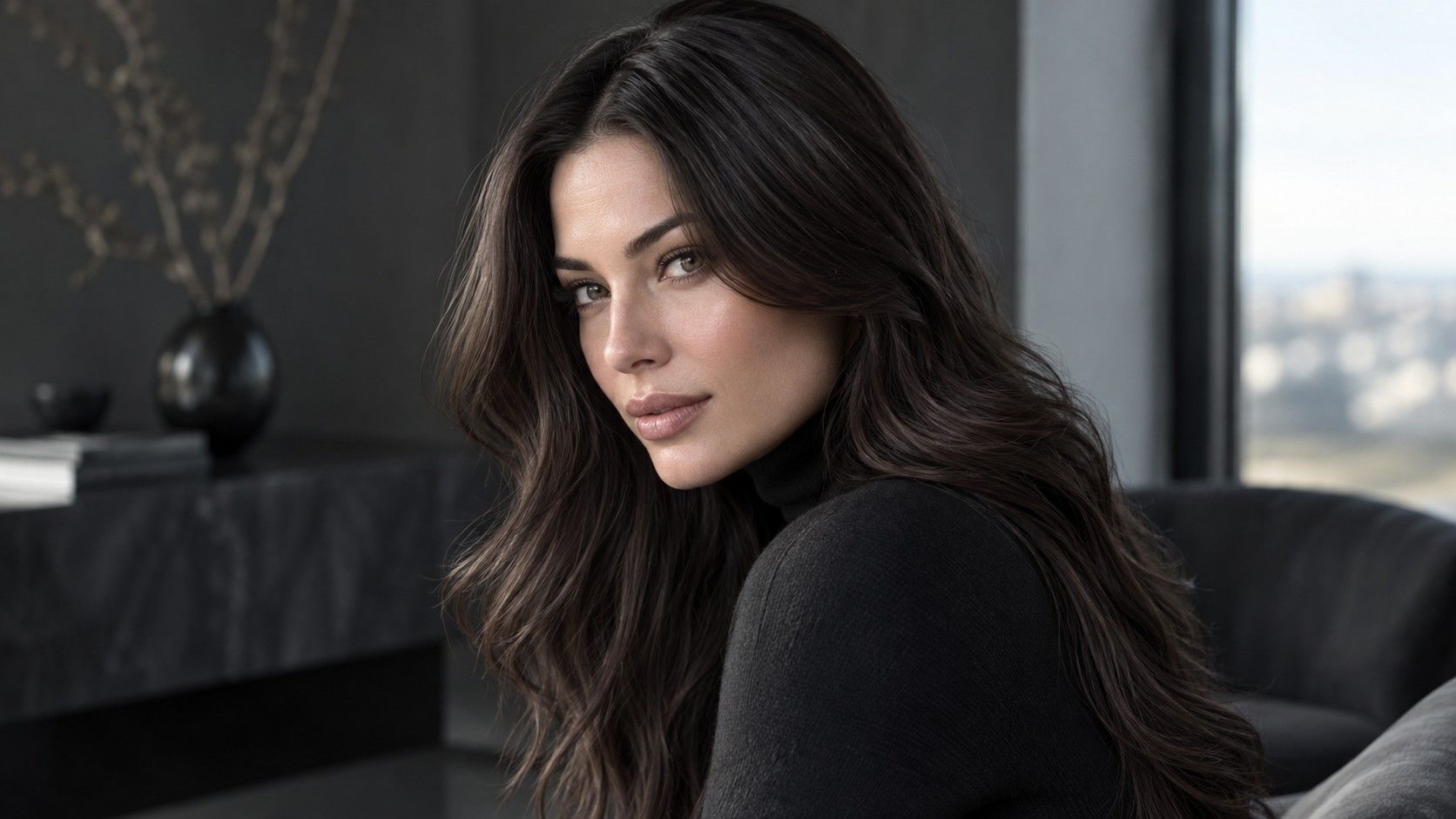
Yes, and it can make blue eyes appear especially vivid, but darkness should be chosen with care. Soft brunette, mushroom brown, and medium neutral brown are often more forgiving than black. They add a frame while leaving enough softness around fair skin. A very dark blue-black shade can emphasize contrast so strongly that it highlights redness, texture, and naturally pale brows rather than the eyes themselves.
Look at the natural root before deciding. If it is a dark blonde or light brown, a soft brunette with a few lighter face pieces may look remarkably believable. If the root is very light and brows are nearly invisible, a darker change may require adjusting brow color or accepting a more graphic look. That is not a problem when it is deliberate; it is simply different from the casual, sunlit effect many people expect from a reference photo.
Check roots and brows before you commit
Roots are a useful reality check because they tell you what level your face has been balancing for years. You can move away from that level, but a root shadow close to the natural depth can stop even a light blonde from looking detached. It also gives the eye a transition from brow to hairline, which is helpful when blue eyes are pale and the overall coloring is delicate.
Brows do not need to match the hair exactly. Matching them too closely can make a blonde result look artificial, while leaving them several levels deeper can provide useful definition. Instead, ask whether the brow and hair colors share a temperature: cool beige hair with warm orange brows is harder to reconcile than a small depth difference. Test any major change in daylight and with the clothes you wear most often, not only under salon lights.
Compare neighboring shades, not fantasy transformations
If you are choosing between blonde directions, compare three nearby shades on the same unfiltered photo: beige, ash, and warm beige. The winner is usually the one that makes the skin look rested and preserves the eye color without requiring a full face of makeup. For a darker experiment, compare soft brunette with medium ash brown rather than jumping immediately to black.
The best colors for blonde hair and blue eyes are therefore not a fixed palette. Fair skin, natural brows, root depth, and the desired amount of contrast determine the result. A shade that still feels coherent on a quiet morning, in a plain T-shirt, and after the salon shine fades is more useful than one designed only for a dramatic before-and-after image.