Soft Summer hair colors are less about finding the coolest possible shade and more about keeping everything gently blended. A color can be technically cool and still feel too sharp if it is very dark, very bright, or strongly striped. The best result usually looks believable in daylight: a little smoky, a little neutral, and never louder than the face.
Recognize the softness before choosing a shade name
Soft Summer is often described as cool-neutral and muted. Natural coloring may include gray-blue, soft green, or hazel eyes; skin can be beige, rosy, or olive, but it generally does not need vivid warmth beside it. Hair color should support that softened surface. The test is simple: when the shade is right, you notice the person first. When it is too saturated, the hair arrives in the room before their expression does.
Do not let the label “Summer” force you into a pale blonde. Many Soft Summers have medium brown or dark blonde hair and look better with a controlled change in tone than a large lift in level. Before booking a major service, compare photos of yourself with low contrast makeup and bare skin in window light. It is a more honest guide than a filtered reference image or a swatch held against a salon cape.
Blonde options without a stark bright finish
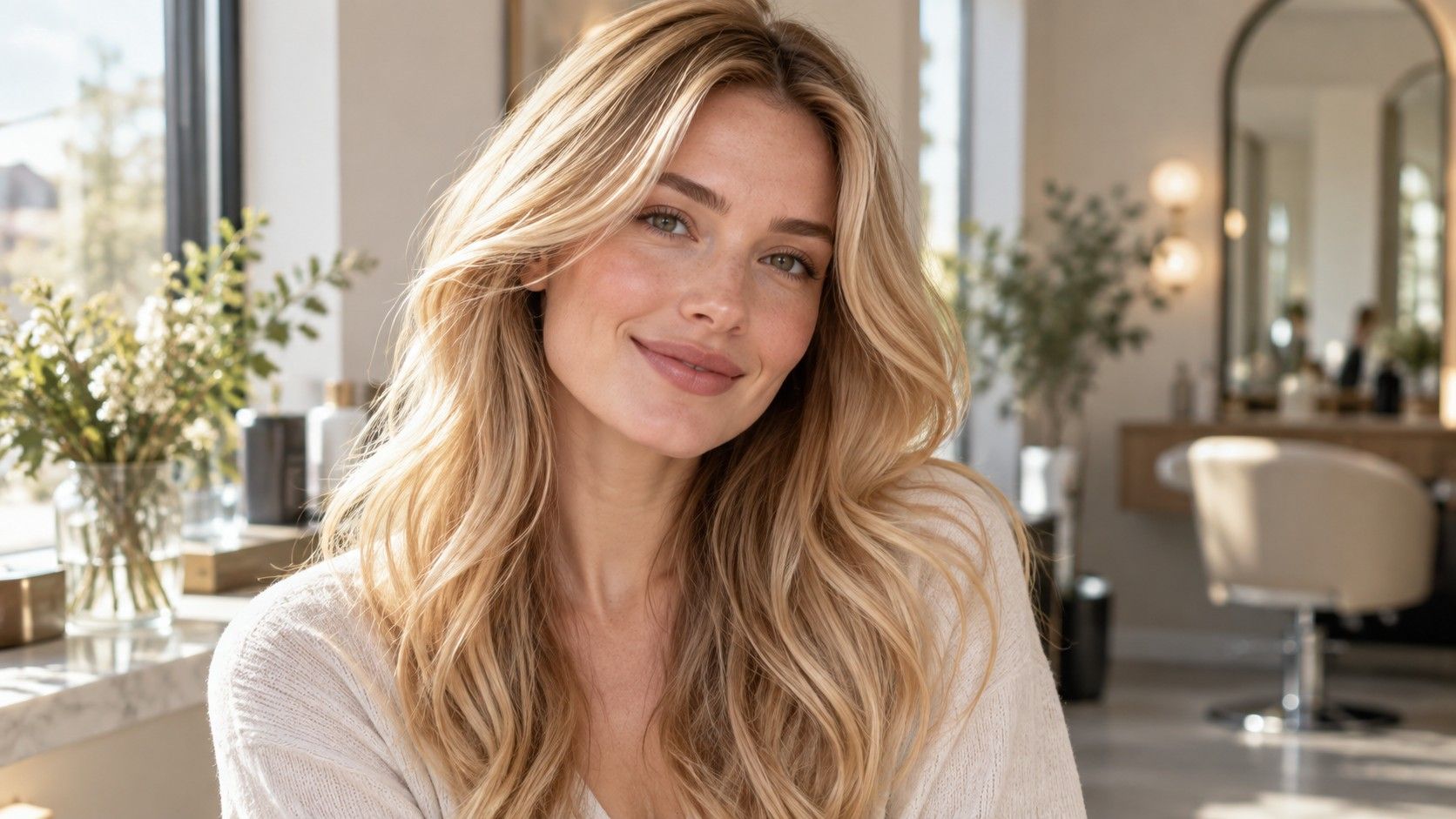
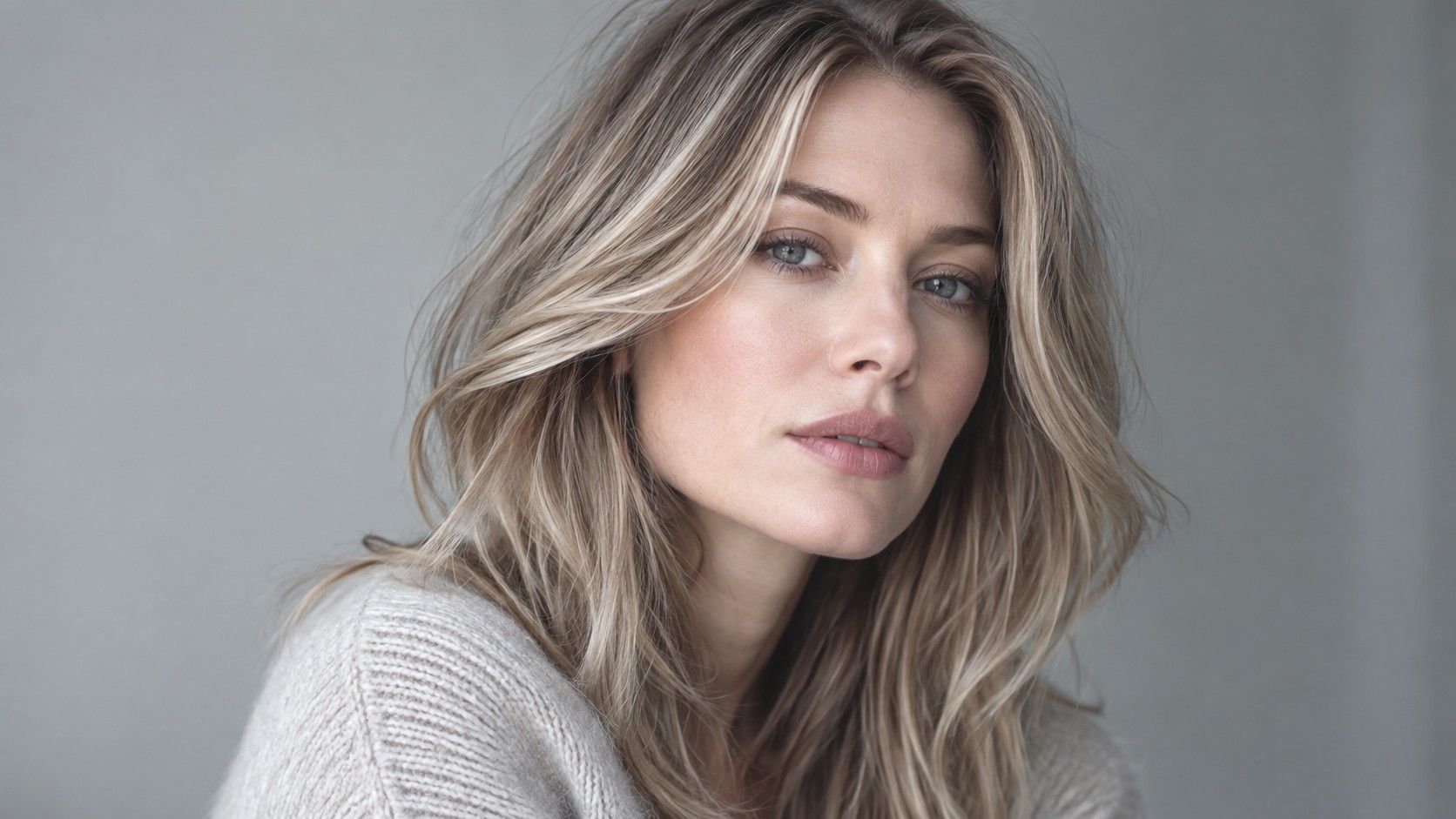
Smoky beige, muted pearl, mushroom blonde, cool sand, and dark ash blonde can all work well. The common thread is diffusion: the blonde has a soft beige or taupe veil, not a strong yellow, white, or silver statement. A high-lift platinum can make the features disappear; a buttery blonde can add more warmth than the palette needs. Soft Summer blonde is often one or two steps quieter than the version people first imagine.
For an easy first change, ask for fine woven highlights rather than chunky ribbons. Keep some natural depth through the crown and underlayers, then add brightness where hair moves around the cheekbones. This creates soft dimension without the obvious dark-to-light jump of a dramatic balayage. If your ends are already light and porous, a gloss may be enough to turn an uneven yellow blonde into something calmer and more expensive-looking.
Build brown shades around mushroom and cocoa notes
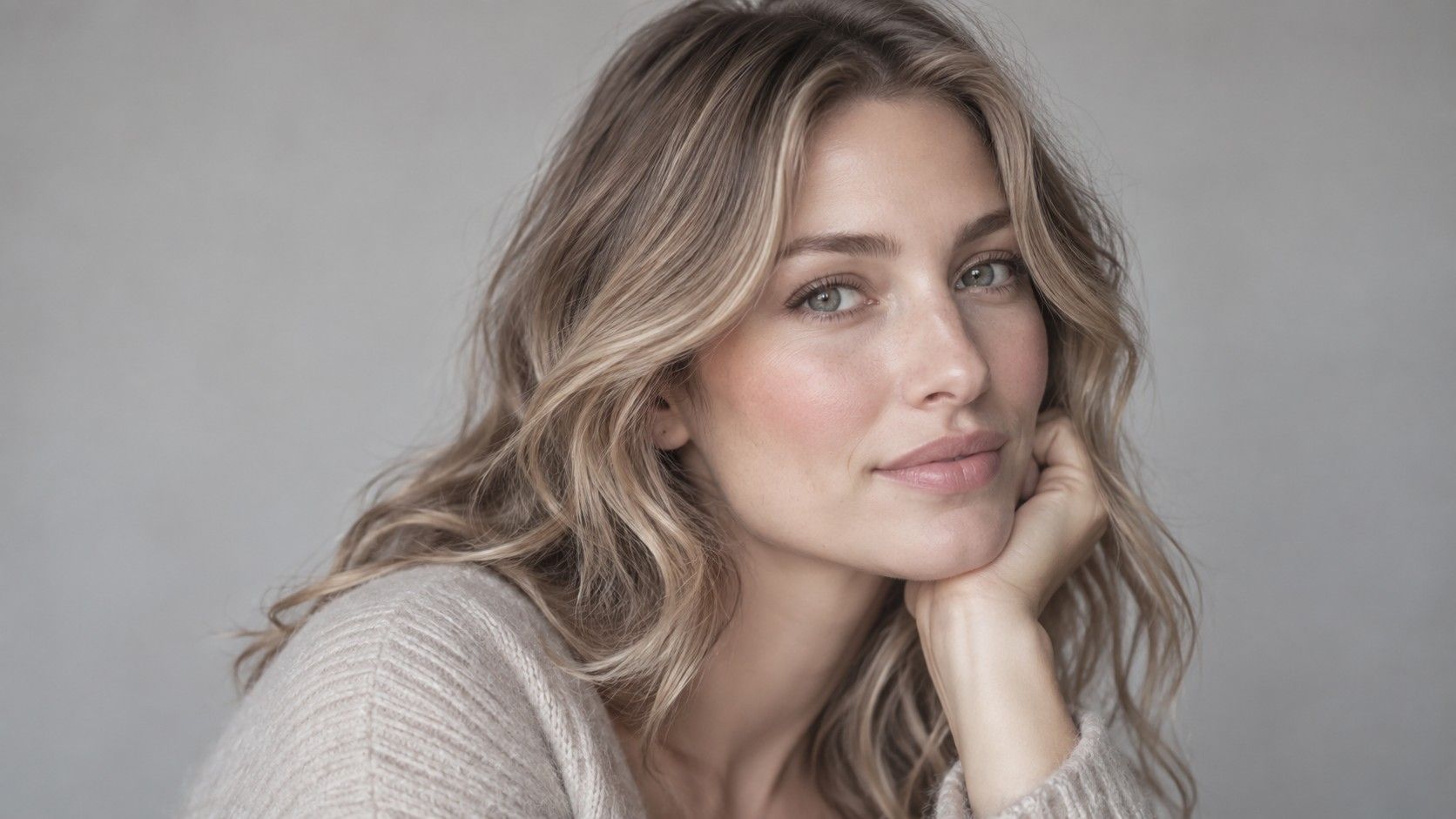
Soft brown is not the same as flat brown. Mushroom brown, cool cocoa, taupe brunette, and muted medium ash brown retain enough shadow to frame the face while avoiding a hard black-brown edge. These shades are especially useful when natural brows are medium or when the eyes have a quiet gray ring. A little depth near the root can make a fine haircut look fuller, provided the ends do not become orange by comparison.
Color placement matters as much as the formula. A few lowlights underneath pale hair can restore depth without turning the whole head dark. Ask for blended sections rather than a solid root smudge if you dislike a visible grow-out line. On previously lightened hair, cool pigment can fade faster from the most porous ends, so a colorist may need to use a slightly different mix there. That small technical choice prevents the familiar result of brown roots with yellow lengths two weeks later.
| If you want | Try this direction | Keep it soft by avoiding |
|---|---|---|
| More lightness | Smoky beige or mushroom blonde | White highlights and yellow gold |
| More depth | Taupe brown or cool cocoa | Near-black roots and red shine |
| More movement | Fine blended ribbons | Thick high-contrast panels |
Add dimension without creating high contrast
Low contrast does not mean one flat color from scalp to ends. The most flattering Soft Summer hair color often has several close tones: a natural-looking root, a cooler mid-length, and soft reflected light at the ends. Keep the difference between shades modest. Two levels of lift can be plenty when the tone is right, and it tends to grow out with far less drama than a five-level transformation.
Look at the front pieces from a normal speaking distance. If they read as separate stripes, they are probably too light or too warm. Blending the transition near the temples makes a large difference, particularly for hair worn in a center part. For curls and waves, ask the colorist to place brightness where the pattern opens. For straight hair, a few subtle panels at the surface can add movement without exposing every line of the application.
Know which popular choices become too strong
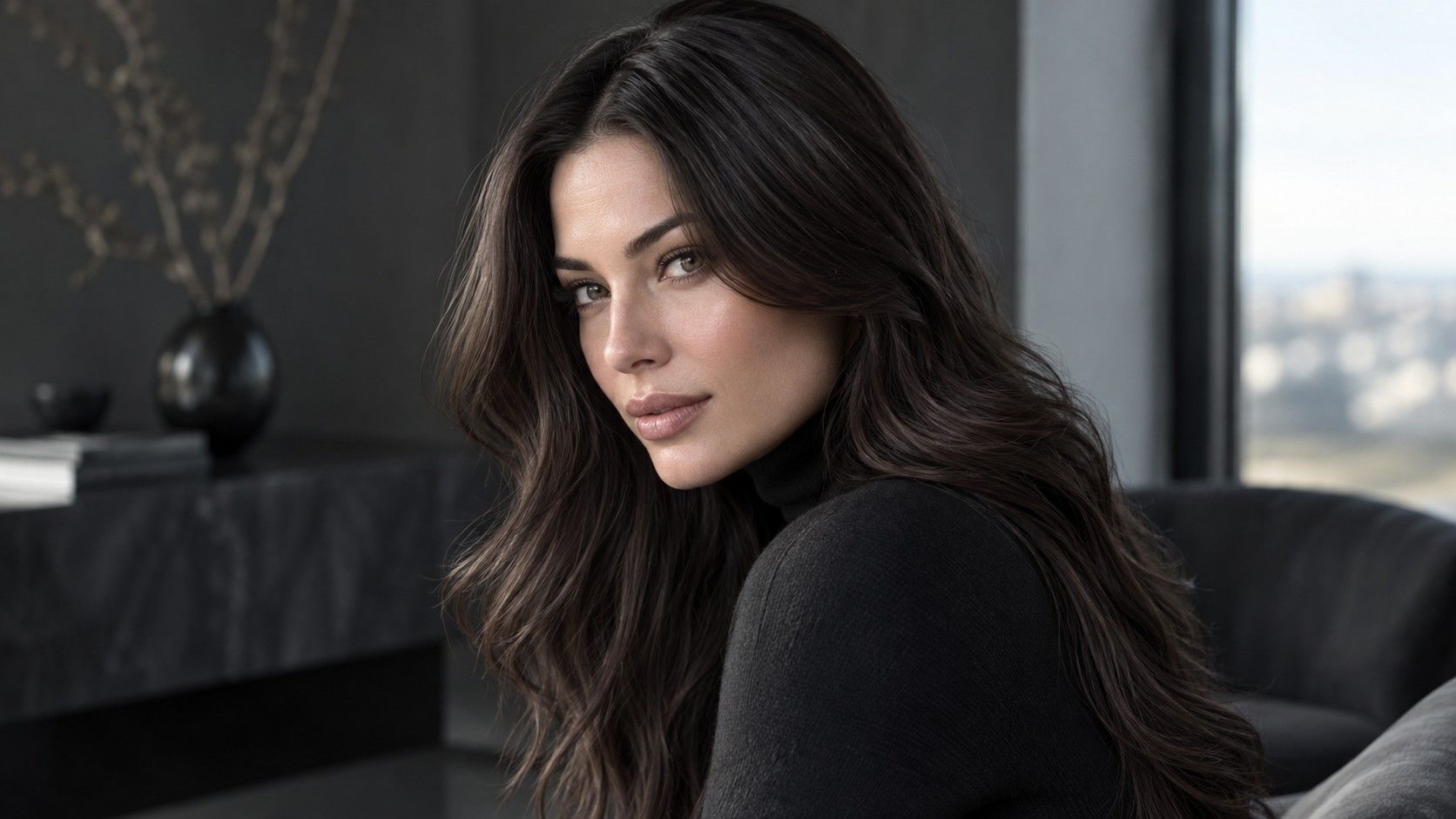
Very black hair, bright copper, honey blonde, and heavily contrasted ombré often compete with Soft Summer coloring. This is not a ban on experimentation; it is a warning about the adjustment that may be needed elsewhere. A vivid warm shade can require stronger makeup or darker brows to feel balanced, while a crisp white blonde can make natural skin texture look more pronounced. If you enjoy either effect, choose it deliberately rather than expecting it to behave like a neutral everyday color.
Also be cautious with words such as “ash” when the desired photo is actually gray. Too much blue-violet toner on light, porous hair can make the finish dull and can leave uneven ends looking shadowy. Ask for cool-neutral and muted, then check whether you like the degree of smokiness after the first wash. Hair colors for Soft Summer should remain soft when the salon gloss becomes less fresh, not depend on a perfect silver cast to work.
Plan maintenance around your actual hair behavior
Take notes after the first appointment: does your hair expose yellow, orange, or red warmth; do the ends absorb toner; does your root grow in cooler or warmer than expected? Those observations are more useful at the next visit than a generic request to be “less brassy.” A gloss every few weeks can refresh smoky beige and mushroom tones without another full highlight service, but the timing depends on washing, water, heat, and previous lightening.
For the best hair color for Soft Summer, bring current daylight photos to each appointment and compare them with the original result. If you want to move darker, begin with lowlights or a demi-permanent brown so you can see the new contrast around your face. A gradual change protects the soft palette and gives you room to stop at the depth that feels most like you.