True Autumn hair color has room for warmth, depth, and visible richness, yet that does not mean every warm shade will feel natural. The difference between chestnut that makes skin glow and orange that takes over the face is usually saturation, placement, and the starting base. A grounded warm brunette can be more flattering than a bright copper, while a carefully chosen auburn can look more believable than an all-over golden blonde.
Understand the warmth a True Autumn palette can carry
True Autumn is generally warm, deep, and earthy rather than icy or pastel. Hair can support golden brown, chestnut, cinnamon, warm mahogany-brown, copper, and deep auburn because these shades echo the natural warmth in skin and eyes. The key word is rich, not fluorescent. A suitable color often has brown or golden depth underneath it, which keeps the warmth connected to the face instead of sitting on top like a bright filter.
Check the color outdoors near the jawline. If it makes olive, peach, or warm beige skin look clearer and the eyes look more golden or green, the temperature is likely working. If the hair looks neon, flat red, or suddenly much lighter than the brows, it may have too much saturation or lift. Warm coloring is not a reason to skip nuance; True Autumn still benefits from a realistic range of depth between root and ends.
Build brown shades with believable golden depth
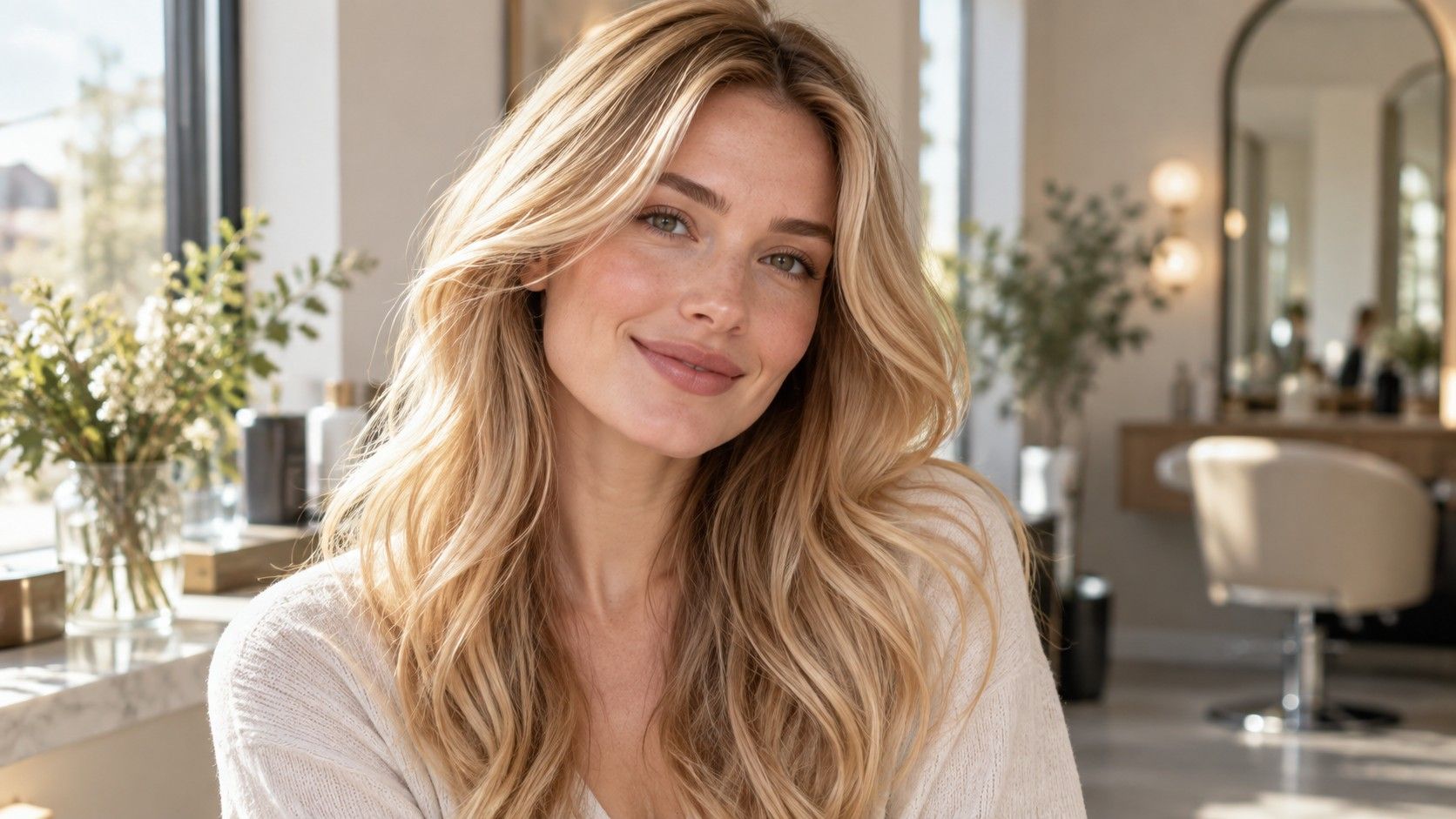
Golden brown, warm chestnut, cinnamon brown, caramelized brunette, and rich medium chocolate can all serve as a True Autumn starting point. Choose the depth first. A darker natural base may need chestnut reflect rather than a full blonde transformation, while naturally medium brown hair can often take golden dimension through the mid-lengths. The most convincing shade usually retains some shadow at the root and does not erase the person’s natural brow contrast.
Ask to see the formula in terms of reflect as well as level: gold, copper-gold, or warm brown can create very different results at the same depth. If your hair has previously been lightened, the ends may already carry yellow and need a richer brown-gold glaze rather than another lift. A gloss can add warmth and shine to dull brunette hair without the commitment of all-over permanent color, making it a useful test before a larger change.
Choose copper and auburn that stay grounded
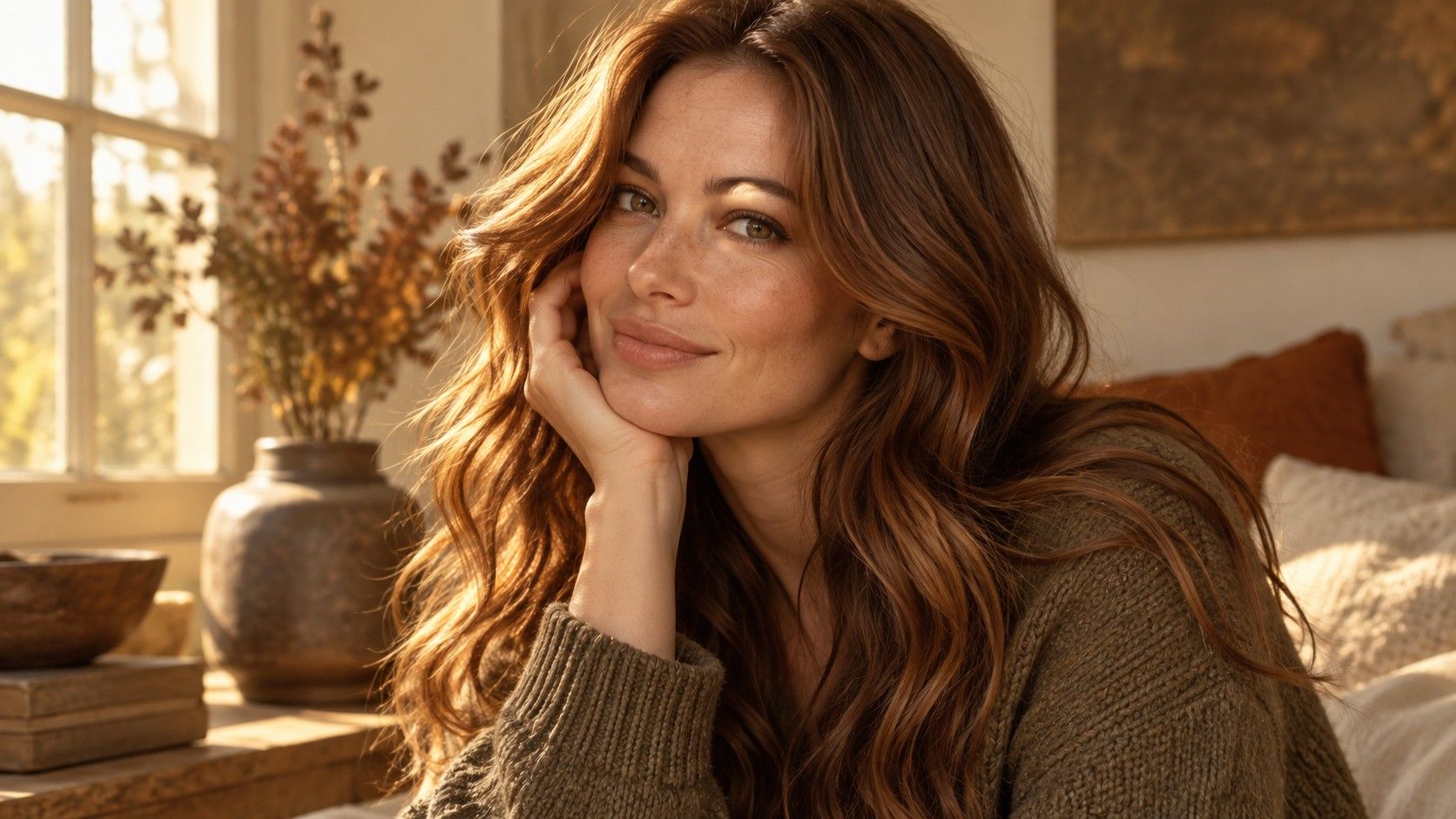
Copper is not one color. Soft cinnamon copper, deep copper brown, auburn, and russet can feel harmonious on True Autumn when there is enough brown depth behind the red. Bright orange copper is harder to wear every day because it can overpower a muted complexion or clash with natural brow color. If you are new to red, begin with a copper glaze, warm lowlights, or an auburn balayage instead of lifting the whole head to a vivid level.
Pay attention to the hairline and the part. Red pigment tends to look strongest where the light hits directly, so a subtle formula can appear much brighter around the temples after a blow-dry. Fine copper pieces blended into chestnut often give the same warm energy as a full red service with easier grow-out. Bring references in daylight and say whether you prefer brown-first warmth or red-first warmth; that distinction is more useful than saying you want “a natural ginger.”
| Desired effect | True Autumn direction | Potential problem to avoid |
|---|---|---|
| Natural richness | Golden chestnut or warm chocolate | Flat dark brown with no reflected warmth |
| More visible warmth | Cinnamon brown or copper brown | Bright orange at the hairline |
| A redder change | Deep auburn or russet | Uniform, highly saturated red ends |
Keep an orange result from taking over
Orange is not always a mistake; it can be a beautiful undertone in copper and golden brown. The issue is proportion. When hair is lifted too high before warmth is added, the yellow-orange base may show through more strongly than intended. When a warm toner fades from very porous ends, the result may become bright at the bottom and dull at the root. Both effects make the color feel less considered.
Ask your colorist how the shade will fade and whether a filler is needed before going darker or redder. A filler replaces missing warm pigment in bleached hair, helping a chestnut or auburn formula fade more evenly. Do not try to correct unwanted orange by immediately putting a very cool ash color over it; that can create muddy or greenish brown. The better correction depends on whether the hair is too light, too yellow, too copper, or simply too saturated for your features.
Let natural depth guide the final shade
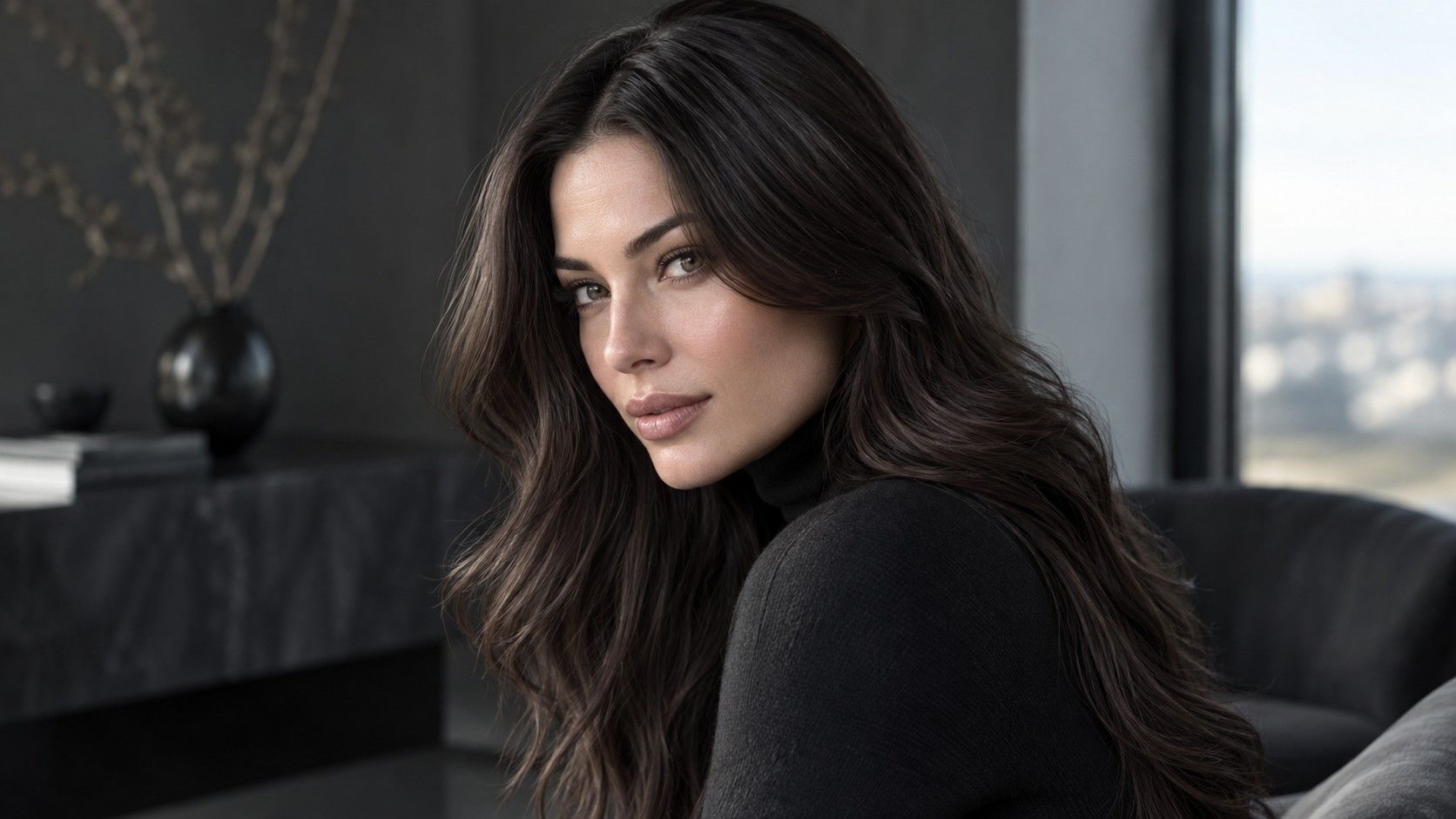
The best hair color for an autumn palette does not have to be lighter than the natural base. A person with dark natural hair may look striking in deep chestnut with cinnamon reflect, while someone with medium brown hair may prefer golden brown and a few fine lighter pieces. The visual anchor is the relationship between hair, brows, and eyes. If you lighten several levels, plan how the brows and root regrowth will look together rather than judging only the fresh ends.
For a first appointment, change one variable at a time. Keep the depth and adjust the warmth, or keep the warmth and add a little dimension. That approach makes it clear whether you love golden reflect, copper, or a richer brown before investing in a major lift. A semi-permanent gloss is particularly helpful for this experiment because it lets you see the tone in normal daylight, work meetings, and casual photos as it softens.
Maintain warmth without making the color heavy
Warm pigments can fade quickly from lightened hair, and repeated permanent color on the lengths can leave chestnut and auburn looking dense. Use a color-safe cleanser, reduce very hot water, and protect the hair before heat styling. A warm-toned gloss can refresh shine and reflect between major appointments. If the ends become more orange than the roots, ask for a targeted adjustment instead of covering the entire head with more pigment.
Keep a few photos from two to four weeks after the appointment. They show whether the color settles into golden brown, exposes too much copper, or loses its depth. That record makes it easier to refine a true autumn hair color palette over time: rich enough to honor warmth, soft enough to look like it belongs to you, and balanced enough to wear without constant correction.