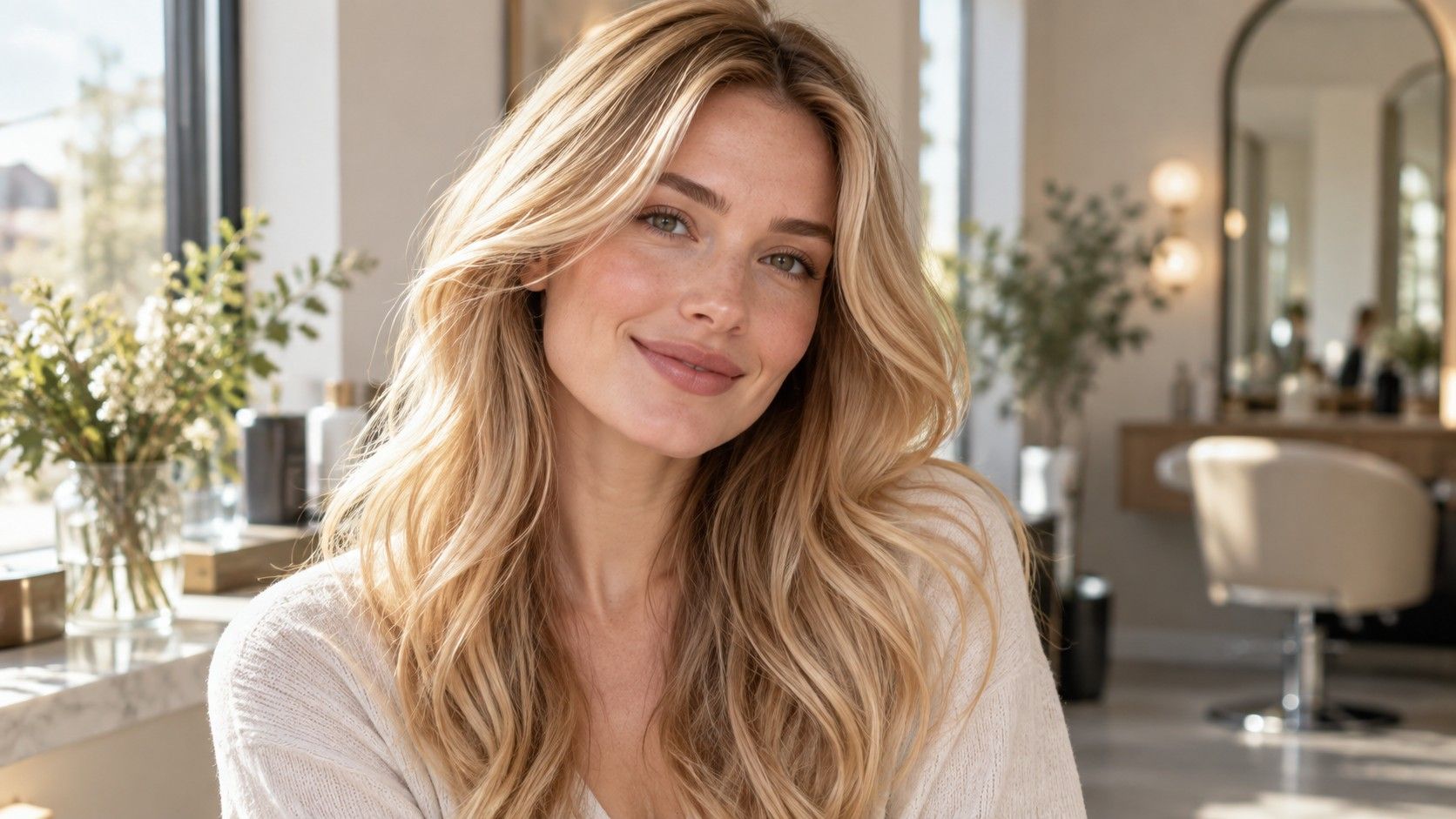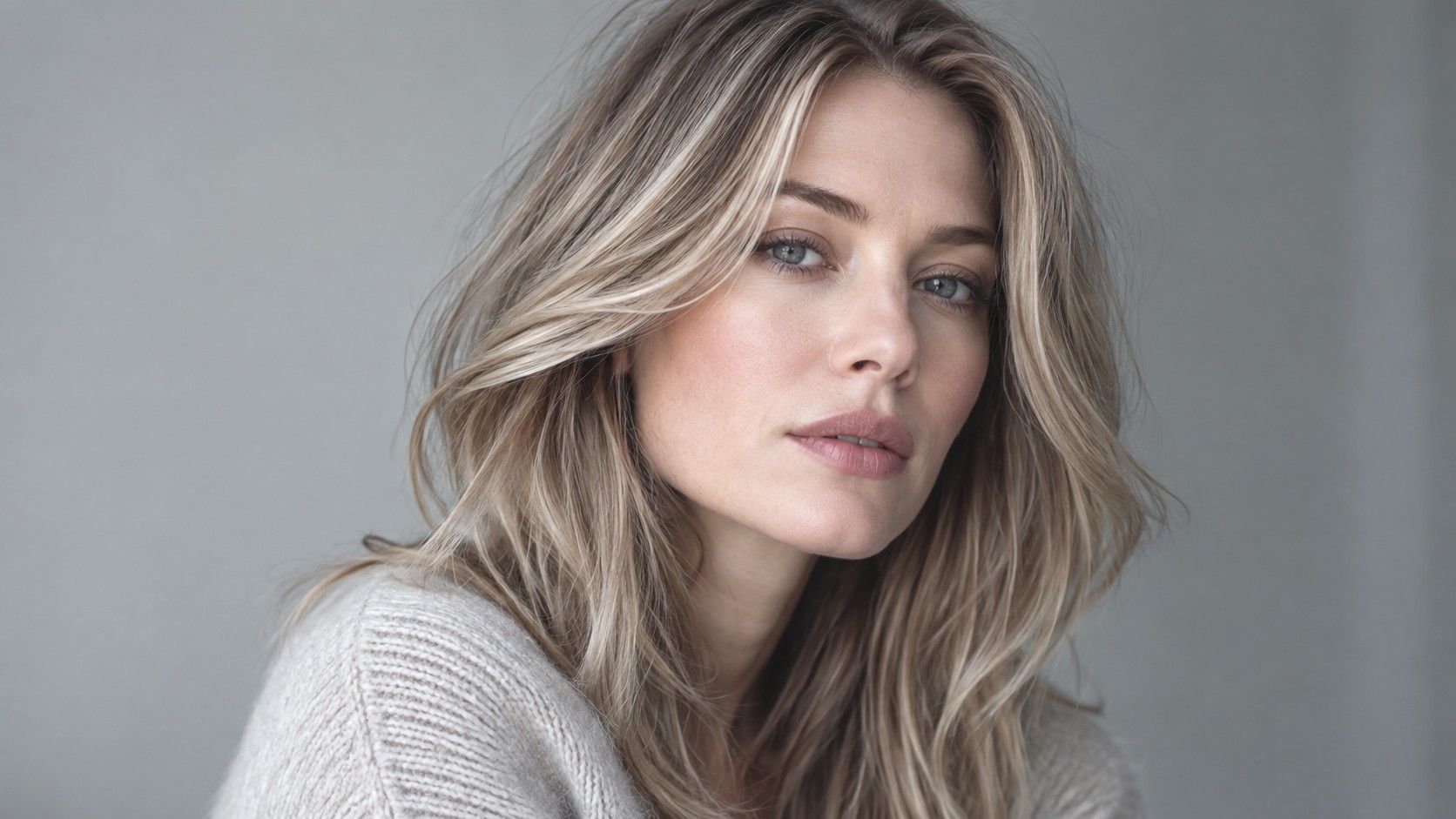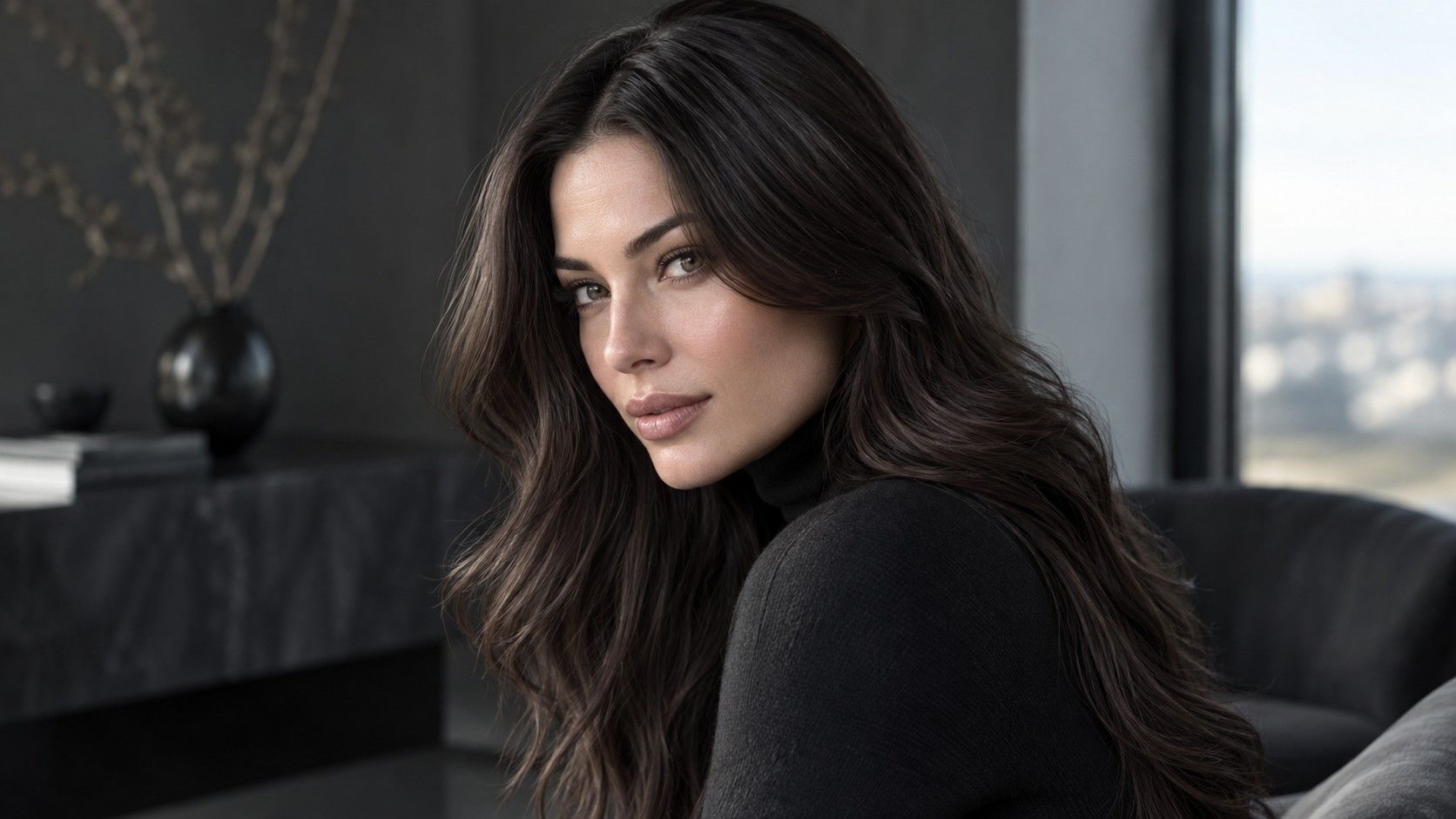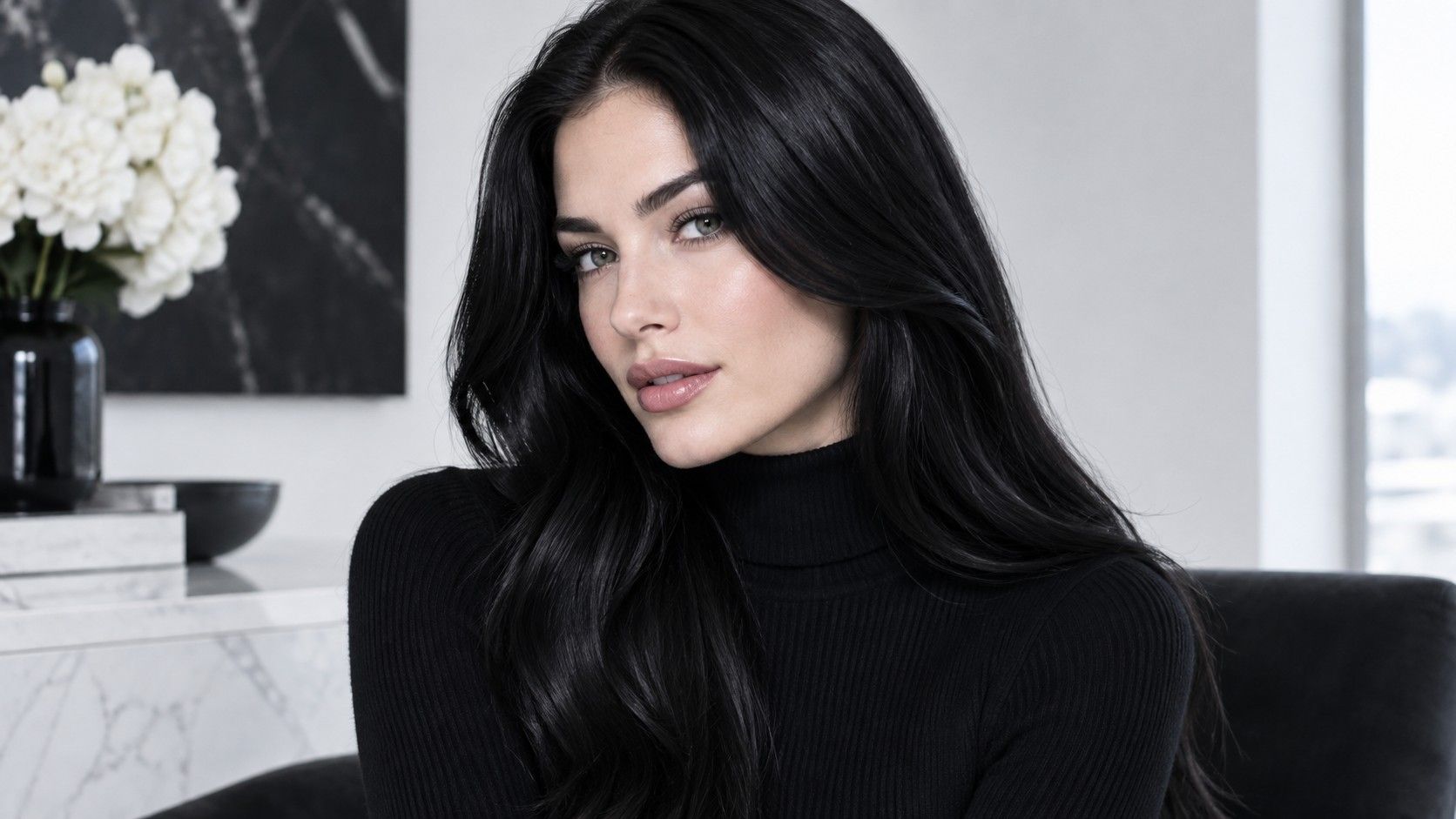
True Winter hair color is easiest to choose when you separate depth from warmth. This palette can usually handle a strong dark frame and clear contrast, but it does not need every look to be black or severe. The most useful choice is one that keeps the hair cool, defined, and reflective while still fitting the natural density of the brows and the way the face reads without makeup.
See how True Winter differs from nearby winter palettes
True Winter is the coolest center of the Winter family. Compared with a warmer or more neutral adjacent palette, it generally needs less gold, copper, and red in the hair. Compared with a softer Summer palette, it can support more depth and a more obvious contrast between hair, skin, and eyes. These are tendencies rather than a license for rigid rules; a person can have a True Winter palette and still prefer a medium cool brunette to jet black.
Use a daylight check before settling on a formula. Cool black, espresso, and dark brunette should make the whites of the eyes and the outline of the lips look clearer. If a color brings out yellow around the mouth or a red flush in the cheeks, it may contain too much warm reflect. If it looks like a flat dark curtain, the issue may be density or lack of shine rather than the depth itself.
Choose depth before adding a dramatic accent
Start with the level that feels plausible at the roots. A natural level three or four can often take a rich cool espresso beautifully, while a level five or six may look more balanced with deep neutral brunette and selective lowlights. Filling lightened hair is important when returning to a dark color. Without the missing underlying pigment, a cool brown placed over pale yellow lengths can grab greenish or fade muddy.
A glossy demi-permanent test is an intelligent first step when you are unsure. It lets you see how the new density affects your features and how the shade shifts in daylight before committing to permanent coverage. Take photos with the hair loose and pulled back. A color can look ideal against the face when it is down, then feel too stark when the hairline and brows are fully visible.
Cool brunette, black, and bright contrast options
True Winter hair colors often include neutral black, blue-black used sparingly, cool espresso, dark ash brown, and clear deep brunette. The common quality is a cool foundation with shine. Blue-black is most effective when it reads as black until the light catches it; an obvious cobalt cast can feel costume-like and is harder to maintain. Espresso suits many people who want the authority of dark hair without the sharpest possible edge.
For brightness, use a cool and clean accent rather than warm caramel. Icy beige, smoky silver, or cool pearl pieces can work around the face if they are narrow and well blended into a dark base. A bold contrast panel can be appealing, but consider the maintenance: a very pale front section needs regular toning and can become yellow before the rest of the hair looks due for service.
| Color direction | Why it can suit True Winter | Ask about |
|---|---|---|
| Neutral black | Creates crisp, high contrast | Whether it will overwhelm your brow depth |
| Cool espresso | Deep but slightly softer than black | Red undertones after fading |
| Icy face frame | Adds controlled brightness | Toning and grow-out placement |
Keep red and orange undertones from changing the balance
Dark hair exposes warmth differently from blonde hair. Red may appear as a burgundy shine near the roots, and orange may show in old lightened lengths after a few washes. Those reflects are especially visible outdoors. Instead of asking broadly for “no warmth,” describe what you see: copper in the mid-lengths, red at the crown, or yellow in the front highlights. It allows a precise correction rather than a formula that is simply overloaded with ash.
Maintenance products should match the actual problem. A blue shampoo can support darker orange-prone brown hair, while purple products are better reserved for pale yellow pieces. Neither replaces a gloss when the whole color has shifted. If the ends are porous, leave toning shampoo on them for less time than the roots. The same product that refreshes a dark base can make light ends look smoky and uneven.
Use face framing without losing the winter clarity
Face-framing color is not automatically flattering because it is popular. On True Winter, it works when its tone is cool and the placement respects the haircut. In a center part, two very pale front strips can look detached unless they melt into darker hair behind the ear. Fine pieces that begin a little below the root often blend more naturally and allow the hairline to remain a clear dark frame.
Look at your makeup habits too. If you normally wear bare skin and a soft lip, an icy contrast frame may feel stronger than it does in a styled inspiration photo. You may prefer a cool brunette gloss and brightness only at the ends. If you enjoy bolder makeup, a more pronounced contrast can feel intentional. The useful standard is not how dramatic the color looks in isolation, but whether it still looks like your face belongs inside it.
Maintain shine and clarity between color services
True Winter shades need reflected light to avoid looking dense. A regular conditioning routine, moderate heat, and a gloss when the surface becomes dull make more difference than chasing a new formula every visit. Avoid repeatedly darkening the ends to match the roots; layered color can build up and make the lengths look opaque. Ask your colorist whether a clear shine treatment or a sheer cool toner will do the job instead.
Bring photos taken several weeks after each appointment. They reveal the fade pattern, red undertones, and face-framing contrast better than a fresh salon image. Over time, those observations help you refine a true winter hair color that remains crisp in ordinary life, not merely on the day it was colored.
When in doubt, keep the base cool and change only one accent at a time. It is easier to add a brighter face frame later than to remove an overly warm or over-lightened contrast from fragile lengths.