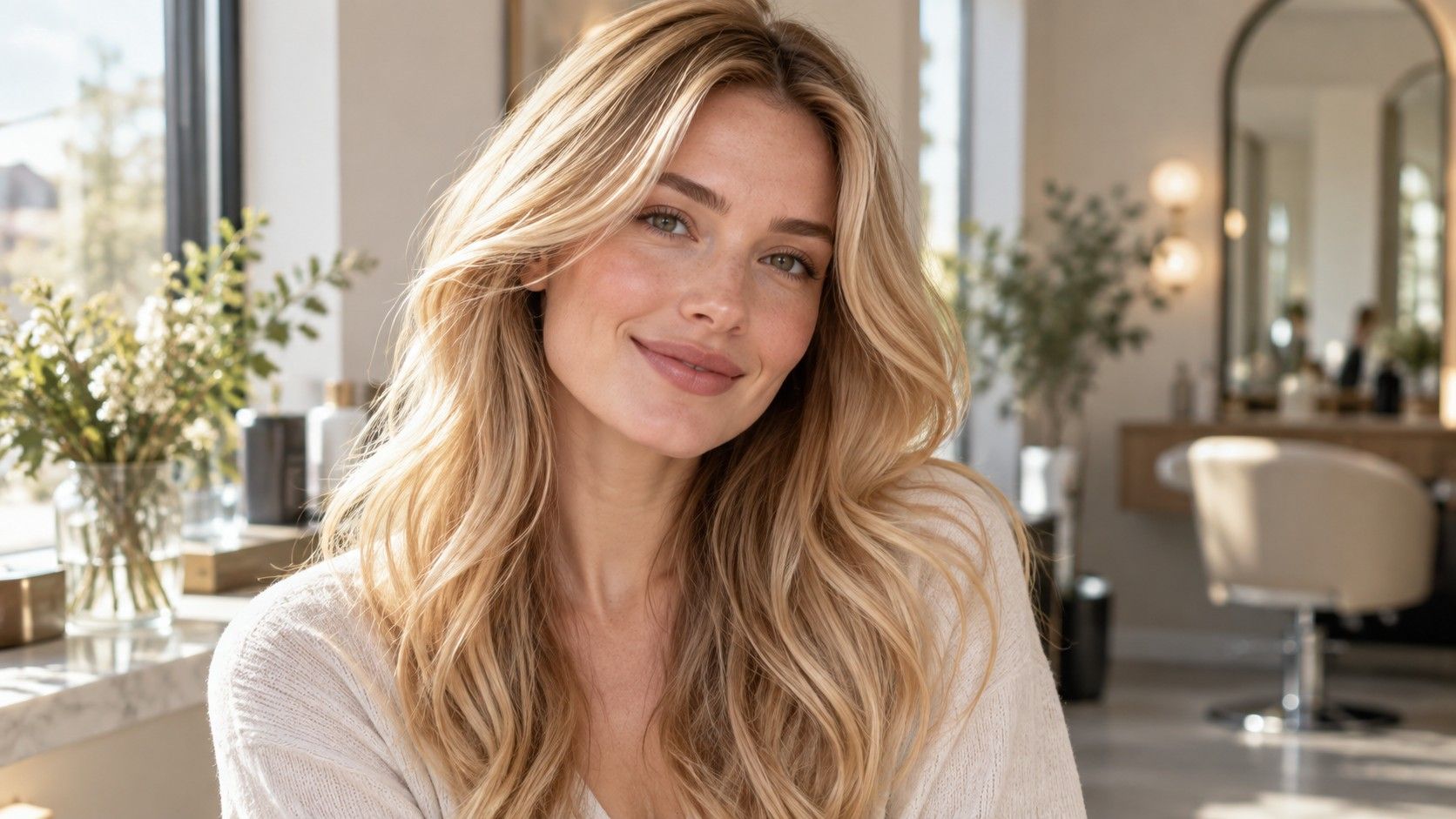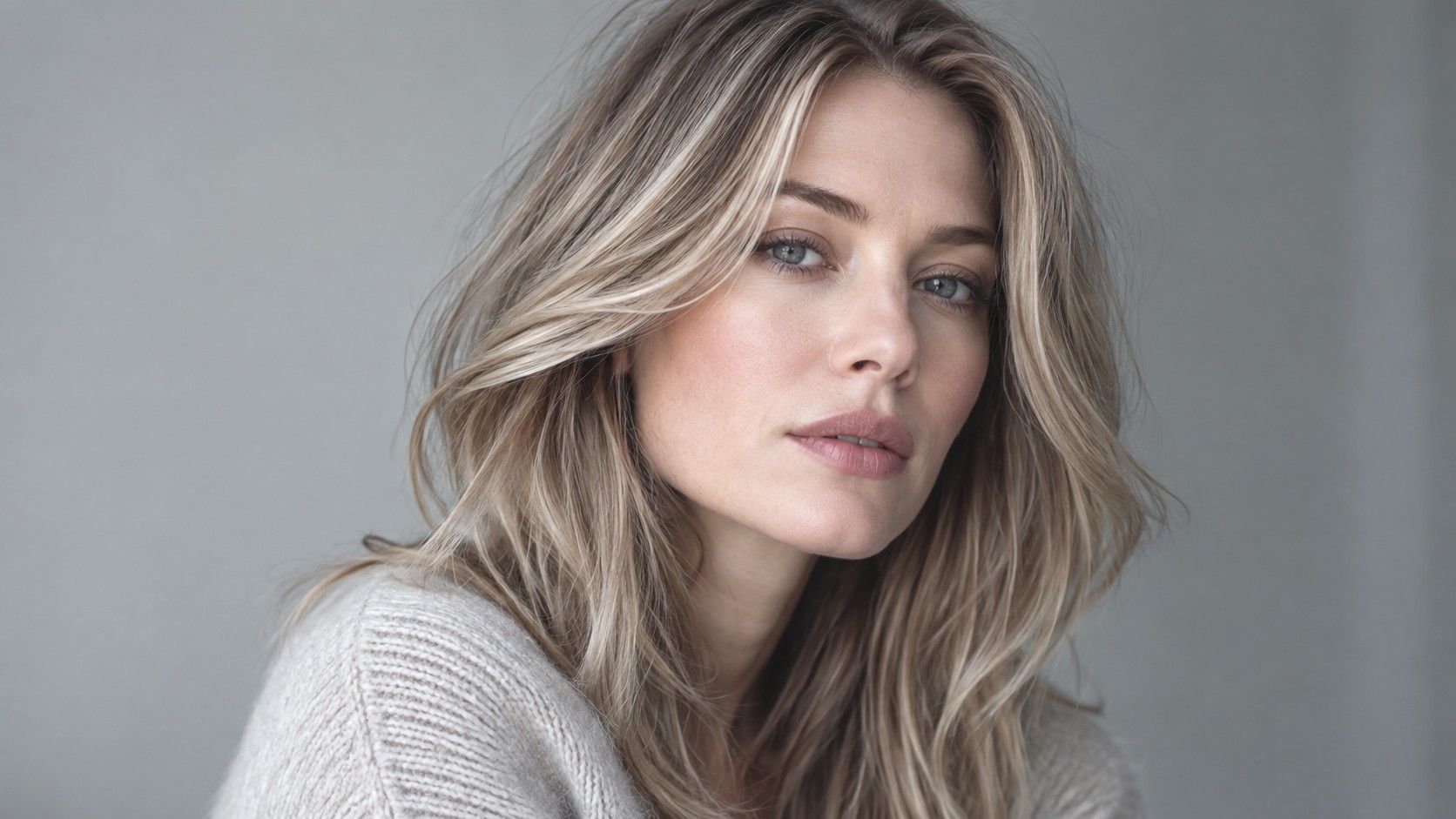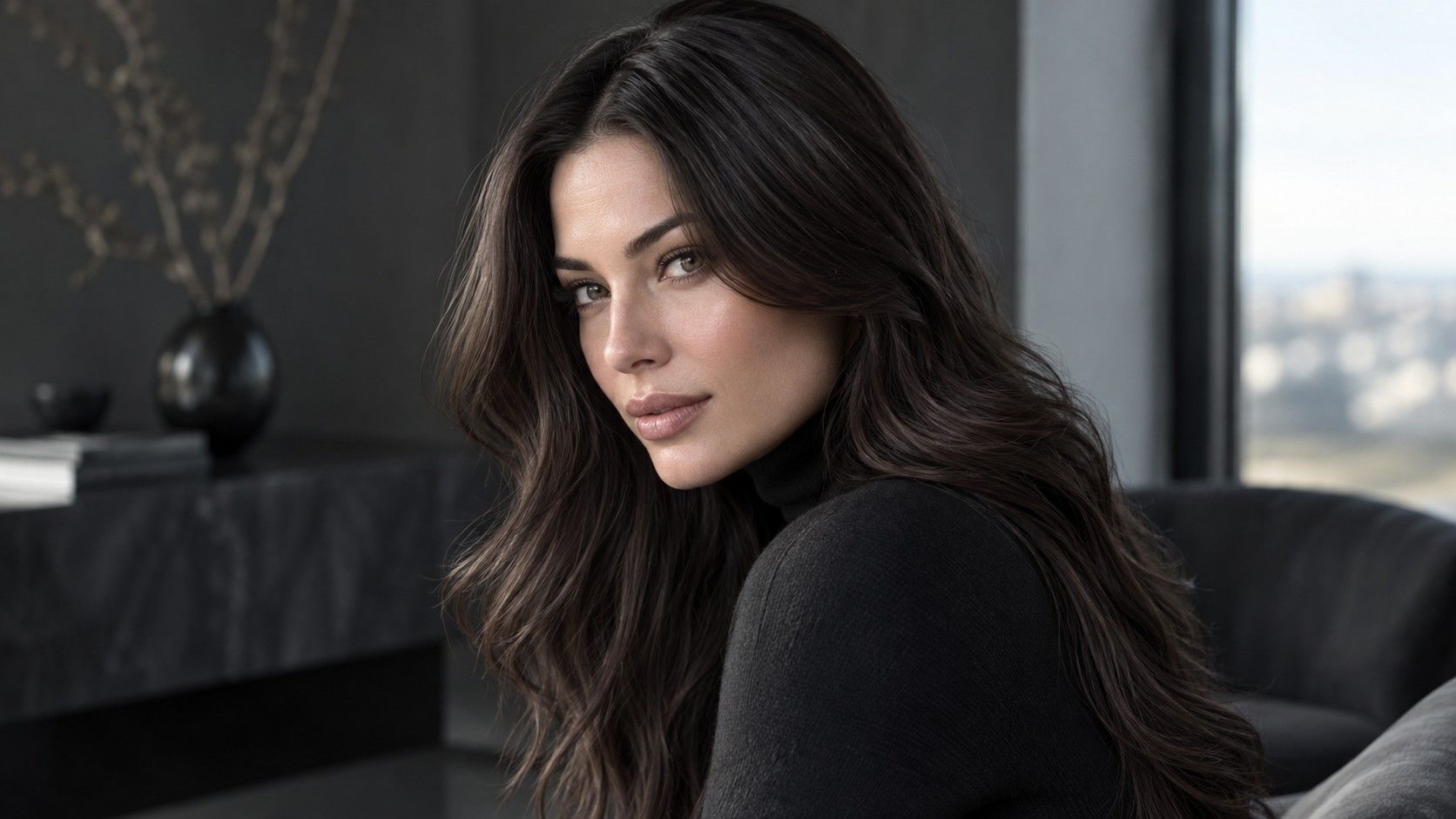
A good hair color analysis is less about being assigned one flattering shade and more about noticing the relationships already visible in your face. The useful question is not whether copper, blonde, or dark brown is fashionable this season. It is whether its warmth, depth, and clarity support your skin, eyes, brows, and the contrast you naturally carry. That makes a hair colour analysis a practical editing tool: it narrows a huge color wall into options that are easier to wear on an ordinary Tuesday.
What a hair color analysis can actually tell you
Color analysis cannot predict exactly how a formula will develop on every head of hair. Previous color, porosity, sunlight, and a stylist's technique all change the finished result. What it can do is explain why two shades with the same name can feel completely different. A medium brown with a muted ash cast may settle the face; a similarly dark brown with orange-red reflect can make redness or under-eye shadows more noticeable. The difference is not imaginary, but it is also not a rigid rulebook.
Use the result as a direction rather than a verdict. If you look rested in soft neutral brunette shades, that does not mean bright blonde is forbidden. It means a pale, very yellow blonde may require more makeup, brow definition, or frequent toning to feel balanced. A free hair color analysis is most useful when it helps you name the pattern: warm versus cool, low contrast versus high contrast, soft versus clear, and close to your natural depth versus dramatically lighter or darker.
Start with undertone and natural depth in daylight
Take the first look near a window in indirect daylight, without a beauty filter and without a strongly colored top reflected under the chin. Skin surface color can be peachy, tan, olive, rosy, or deep, while undertone is the quieter warm, cool, or neutral cast underneath. Compare a warm brown fabric or swatch with a cool charcoal one near the face. Do not judge only which looks prettier on the table. Notice which one makes the jawline look clearer and which one makes the skin look flat, gray, or unexpectedly red.
Then note natural depth: the level of your untreated roots and brows. A person with dark brows and medium-dark roots can absolutely wear a light color, but the new shade creates a stronger frame change and a more visible grow-out line. Someone with pale brows and light roots may find a deep black visually demanding even when the undertone is right. This is why a hair color analysis test based on one cropped selfie should be treated cautiously; it often loses the brow and root information that makes a color believable.
Check contrast before you fall for a shade card
Contrast is the distance between your lightest and darkest visible features. It is not simply skin tone. Look at your brows, lashes, eyes, roots, and skin together in a plain photograph. If the image looks gentle and blended, extreme black-and-platinum contrast can arrive before your features do. If your brows and eyes already read strongly against your skin, a very faded, low-contrast hair color may make the whole face look less defined. Neither result is wrong; the point is to choose the effect on purpose.
A quick comparison helps more than staring at a single shade. Save one image at your natural depth, one about two levels lighter, and one about two levels darker. Keep the warmth similar at first. If the lighter version makes brows appear to disappear, that is useful information. If the darker version makes the eyes look sharper but skin look sallow, try a softer depth rather than abandoning brunette completely. A change in depth and a change in temperature at the same time makes it hard to tell what caused the reaction.
Separate flattering from merely fashionable
Many colors look striking because they create tension. A vivid copper against cool, muted coloring can be memorable in a photograph, yet feel tiring in bathroom lighting. Conversely, a soft mushroom brown can look understated on a swatch but make the complexion appear calmer in real life. The most wearable shade is often the one that still looks coherent when hair is tied back, when the ends are dry, and when you are not standing in flattering golden-hour light.
Seasonal color analysis can offer vocabulary here, but avoid treating seasons as medical diagnoses. A cool, softly colored person may prefer smoky beige, muted ash brown, or a cool rose-brown gloss; a warm person may enjoy caramel, chestnut, honey, or copper. Neutral coloring often has the broadest range, but it still has limits in saturation and depth. Ask whether the shade repeats something already present in your eyes, freckles, lips, or natural hair. Repetition usually looks more convincing than an unrelated trend color.
Compare shade families before a salon appointment
| What you notice | Useful direction to test | Check before deciding |
|---|---|---|
| Skin looks pinker beside orange tones | Neutral or cool beige, ash, mushroom, cocoa | See it in daylight, not only under warm indoor bulbs |
| Cool gray tones make the face look drained | Honey, caramel, chestnut, golden brown | Keep the depth close enough to your brows |
| Dark colors feel severe | Soft brunette, dimensional lowlights, medium depth | Compare a root shadow with solid dark color |
| Light colors erase the eyes | Beige blonde with depth around the face | View it with natural brows and no filter |
The table is a starting point, not a formula chart. Hair color names vary from one salon or box to another, and terms such as ash, beige, or chocolate can hide quite different reflects. Bring a few reference images that show the effect you want, but also say what you do not want: too yellow at the front, too red in sunlight, too dark at the roots, or a bright stripe against your natural regrowth. That conversation is usually more productive than asking for a named shade alone.
Test a color before committing to a full change
Try several previews with the same unedited photo, then inspect them at normal screen size rather than zoomed in. A virtual preview is good at comparing direction and poor at predicting the exact shine, texture, or tonal shift after bleaching. The most honest test is to compare three shades in the same family: for example neutral dark blonde, beige blonde, and honey blonde, or soft espresso, neutral mocha, and warm chestnut. You are looking for the version that keeps the skin and eyes visible, not the most dramatic thumbnail.
For a larger change, consider a temporary strand, a wig, a color-depositing conditioner, or a small face-framing test before committing to a full appointment. These options reveal something a simulated image cannot: whether you like the new contrast when you move, when the hair is matte, and when roots begin to show. Maintenance belongs in the decision too. A cool light blonde may need regular toning; bright red can fade quickly; very dark color can be slow to lift later. A flattering result that does not fit your routine is still a poor choice.
Turn your observations into a simple decision
Write down three things that worked in your comparisons: perhaps a neutral-cool temperature, medium depth, and softly blended highlights. Then write one risk you want to avoid, such as an orange cast, a harsh black outline, or pale lengths that compete with your brows. This small record keeps a hair color analysis from dissolving into a folder of attractive but unrelated photos. It also gives a stylist enough context to adapt the plan to your current color history.
The aim is not to find a shade that makes every feature disappear into harmony. Sometimes the best choice is deliberately brighter, deeper, or warmer because you enjoy that energy. Analysis simply shows the trade-off before you pay for it. When a color suits your features, it often looks believable across different lighting and different moods; when it only works in one filtered image, it has probably not earned a permanent place on your head.